
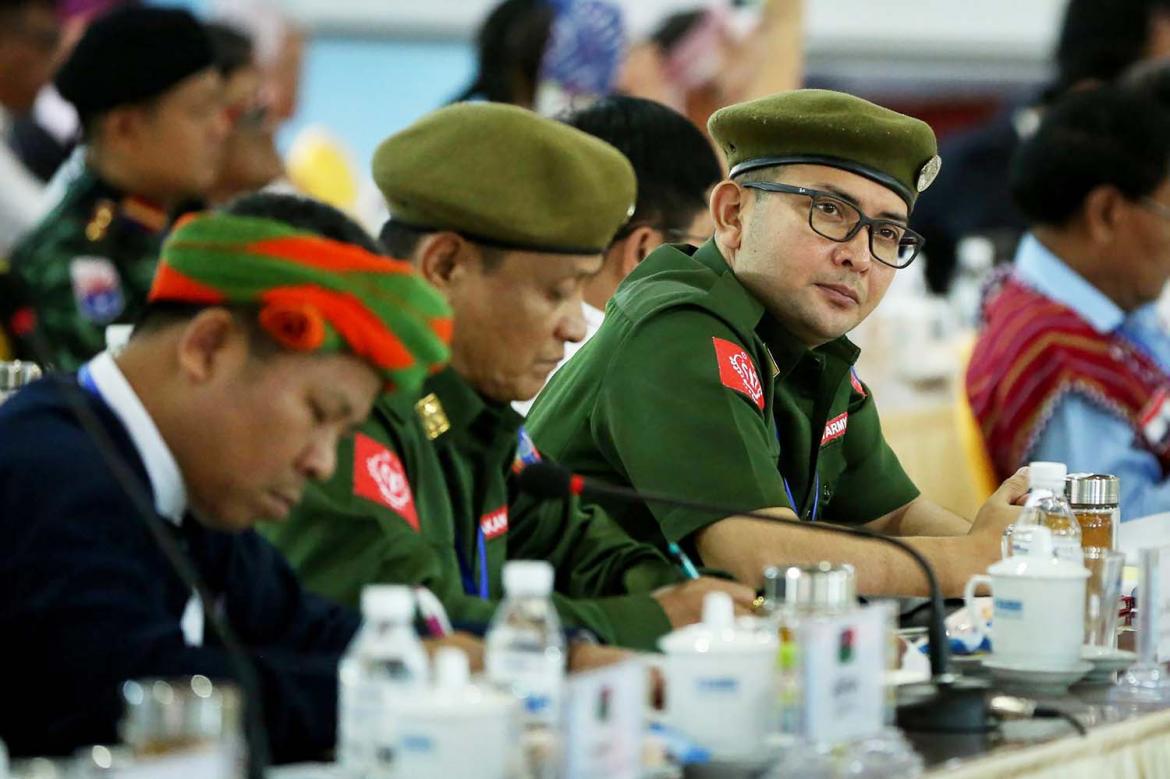
The Arakan Army (AA), an ethnic armed group operating primarily in Rakhine State, has significantly expanded its influence along Myanmar’s borders in recent months, raising concerns about regional security and cross-border stability. Analysts note that the group has not only consolidated control over several towns in Rakhine but has also extended operations into neighboring areas, including northern Shan State and the border regions adjacent to Bangladesh.
Recent reports indicate that the AA has strengthened its military presence by establishing checkpoints, strategic outposts, and logistics hubs along key border routes. The group has also been involved in several high-profile clashes with Myanmar junta forces, resulting in casualties and the capture of weapons and ammunition. These developments have intensified fears of a protracted conflict that could spill over into neighboring countries.
In addition to military activities, the AA has also engaged in administrative and civil governance in areas under its control. Initiatives include constructing infrastructure, providing aid to displaced persons, and overseeing local security. While these measures have improved local support for the group, they also signal a growing challenge to the authority of the Myanmar central government in these regions.
Bordering countries, particularly Bangladesh, have expressed concern about potential security risks, including illegal crossings and militant activity. Analysts warn that if left unchecked, the AA’s expanding influence could destabilize border regions, disrupt trade routes, and create humanitarian challenges for displaced communities.
Observers emphasize the need for diplomatic engagement and conflict mitigation strategies to prevent escalation. Without coordinated efforts from regional actors, the Arakan Army’s growing power along the border could pose a lasting threat to both Myanmar’s internal security and regional stability.