BY Aman Ullah
The Myanmar government and many Rakhine Buddhists reject the term Rohingya because they see it as a claim to indigenous status in Rakhine State, which they deny. Instead, they label the group as “Bengalis,” implying they are migrants from Bangladesh, and fear that recognizing the name Rohingya would legitimize demands for citizenship, land rights, and political representation.
Why the Myanmar Government Rejects “Rohingya”
• Citizenship denial: Myanmar’s 1982 Citizenship Law excluded Rohingya from the list of recognized ethnic groups, rendering them stateless. Accepting the term would challenge this legal framework.
• Framing as foreigners: Officials often call them “Bengalis,” portraying them as illegal immigrants from Bangladesh rather than a native ethnic group.
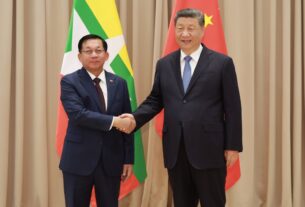
• Fear of political claims: Recognizing Rohingya identity could strengthen demands for equal rights, autonomy, or even secession, which the government sees as a threat to national unity.
• Nationalist ideology: The military and ultranationalist groups promote a Buddhist-majority identity for Myanmar, marginalizing Muslim minorities like the Rohingya.
Why Rakhine Buddhists Oppose the Term
• Historical rivalry: Rakhine Buddhists view Rohingya as outsiders who arrived during British colonial rule, not as indigenous people with centuries of presence.
• Demographic fears: They worry that recognizing Rohingya identity would shift the ethnic balance in Rakhine State, where Buddhists are already a minority compared to Muslims.
• Land and resource competition: Many Rakhine Buddhists see Rohingya claims to land and villages as a direct challenge to their own economic survival.
• Erasure of identity: Some Rakhine groups argue that international focus on Rohingya overshadows their own struggles as a marginalized Buddhist minority.
Risks and Consequences
• Ethnic cleansing justification: Denying the Rohingya identity has been used to justify mass displacement, violence, and genocide.
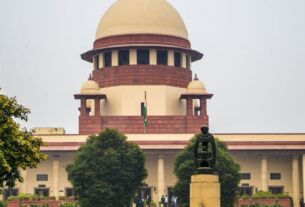
• International backlash: Myanmar’s refusal to recognize the term has fueled global condemnation and legal cases accusing the state of crimes against humanity.
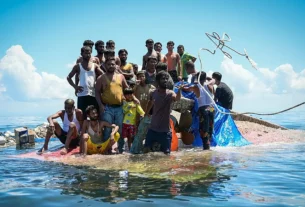
• Perpetual statelessness: Without recognition, Rohingya remain stateless, vulnerable to exploitation, and dependent on humanitarian aid.
In essence: The rejection of the term Rohingya is not just about semantics—it reflects deep-rooted struggles over identity, power, and belonging in Myanmar. For the government, it’s about preserving nationalist narratives; for Rakhine Buddhists, it’s about protecting their majority status and resources.
The Rohingya identity dispute traces back centuries, but it became especially contentious during British colonial rule and after Myanmar’s independence. The government and many Rakhine Buddhists deny the Rohingya as an indigenous group, framing them instead as migrants from Bengal. This rejection has fueled cycles of exclusion, violence, and statelessness.
Historical Timeline of the Rohingya Identity Dispute
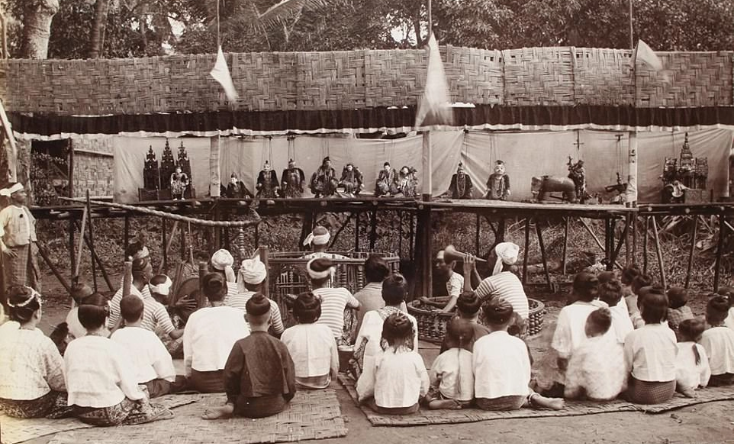
• Pre-colonial era (before 1824): Muslim communities had lived in the Arakan (now Rakhine State) region for centuries, through trade and migration. Their presence was acknowledged but not formally categorized as “Rohingya.”
• British colonial rule (1824–1948):
o The British annexed Arakan after the First Anglo-Burmese War.
o Large numbers of laborers migrated from Bengal into Arakan to work in agriculture.
o This migration blurred distinctions between long-settled Muslims and new arrivals. Colonial policies deepened ethnic divides by privileging certain groups.
• Independence and early postcolonial period (1948–1962):
o After independence, Rohingya leaders sought recognition as an ethnic group.
o Some Rohingya were granted citizenship and even political representation.
o However, tensions with Rakhine Buddhists grew, who saw Rohingya as outsiders.
• Military rule and exclusion (1962–1982):
o The military regime increasingly portrayed Rohingya as “Bengali immigrants.”
o In 1982, Myanmar’s Citizenship Law excluded Rohingya from the list of 135 recognized ethnic groups, rendering them stateless.
• Escalating persecution (1990s–2010s):
o Waves of violence and displacement occurred in 1978, 1991–92, and 2012.
o Rohingya were denied freedom of movement, marriage rights, and access to education.
o The government consistently rejected the term “Rohingya,” insisting on “Bengali.”
• 2017 mass exodus:
o A military crackdown forced over 700,000 Rohingya to flee to Bangladesh.
o The UN and human rights groups labeled it ethnic cleansing and genocide.
o Myanmar continued to deny Rohingya identity, framing them as illegal immigrants.
• Present day (2020s):
o Rohingya remain stateless, mostly in refugee camps in Bangladesh.
o Myanmar’s government and many Rakhine Buddhists still reject the term “Rohingya.”
o International courts are investigating Myanmar for genocide.
Key Takeaways
• Colonial migration policies laid the foundation for today’s disputes.
• Citizenship denial in 1982 institutionalized Rohingya statelessness.
• Terminology matters: Accepting “Rohingya” implies indigenous status, while “Bengali” implies foreignness.
• The dispute is ongoing, with devastating humanitarian consequences.