(Around 250,000 NVC Card Holders Across Myanmar)
Yangon, January 18, 2026 – The Union Minister of the Military Council, U Ko Ko Hlaing, told the International Court of Justice (ICJ) that Muslims in Myanmar are resisting applying for the National Verification Card (NVC)—the card used for citizenship verification—due to pressure from activists and misinformation.
Speaking to WSNews24, several Muslim community leaders in Sittwe Township, Rakhine State, dismissed the claims of activist pressure and misinformation as “completely false,” describing them as a tactic to divert attention from government oppression.
During the ICJ hearing on January 16, 2026, U Ko Ko Hlaing made these statements while responding to Gambia’s allegations that Myanmar’s military committed genocide against Muslims in Rakhine State. Gambia has filed a case at the ICJ, claiming that the military denied citizenship to Muslims.
Regarding these allegations, U Ko Ko Hlaing said that many Bengalis in northern Rakhine are refusing to participate in the NVC process. Some reject it for political reasons, claiming that Bengalis should automatically be recognized as citizens without applying. Others resist due to alleged activist pressure. Still others refuse because misinformation has led them to believe that anyone applying for the NVC would be denied citizenship. He emphasized that none of these points are related to genocide.
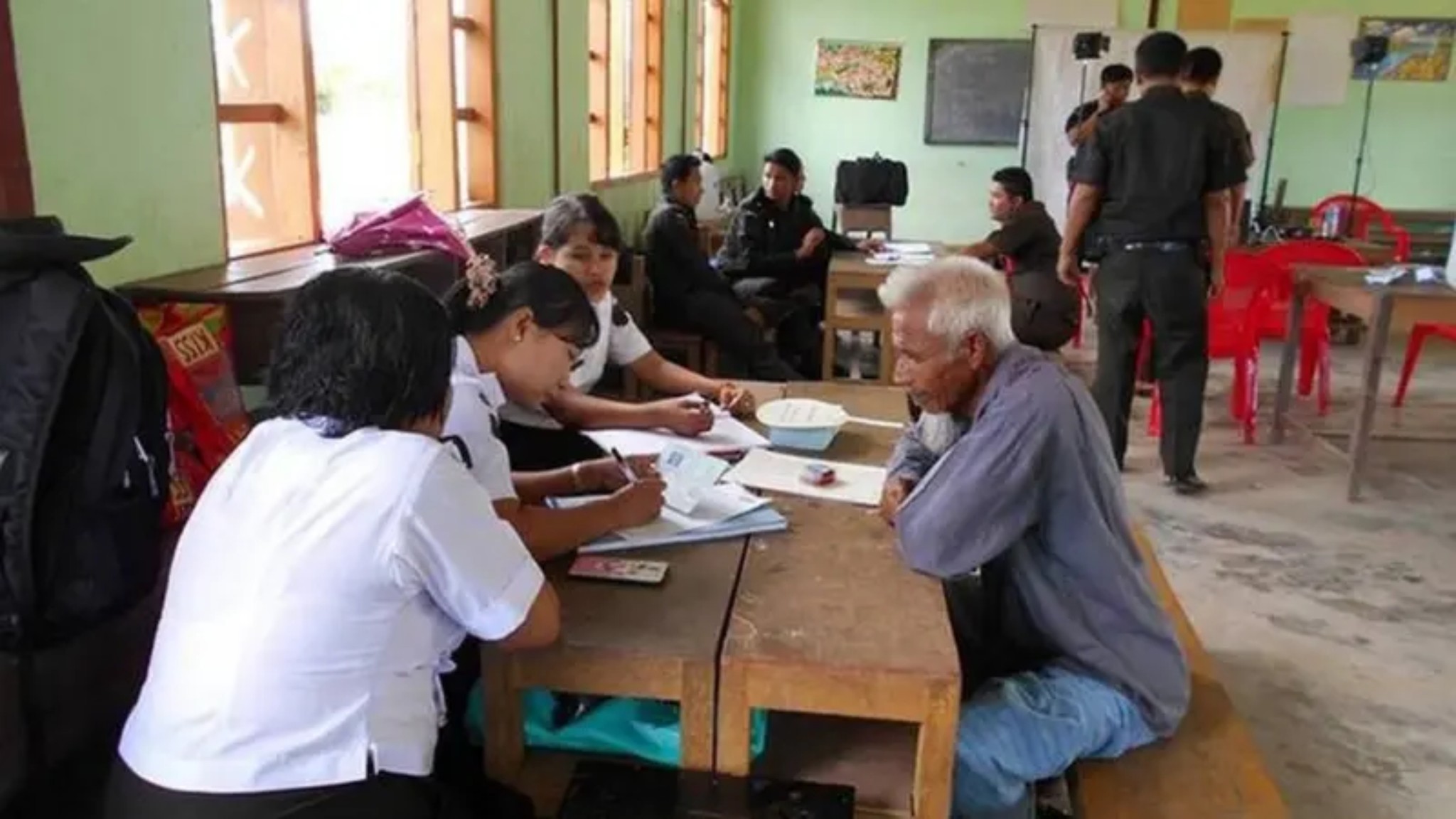
Applicants for citizenship must first apply for the NVC card to undergo the initial verification process. Currently, U Ko Ko Hlaing stated, nearly 200,000 people hold NVC cards across Myanmar, with around 50,000 in Rakhine State.
U Ko Ko Hlaing argued that Gambia’s claims—that Myanmar refuses citizenship to Muslims as part of genocide—are false. “Although this issue is not directly related to the case, I want to emphasize that Gambia’s statements are incorrect. In reality, many Bengalis already possess one of the three types of Myanmar citizenship. Some meet the criteria to apply for citizenship, while others do not fully satisfy Myanmar’s citizenship requirements. There are reasons for this,” he said.
He clarified that citizenship depends on whether an individual meets the legal requirements. Whether someone is a member of a group or has citizenship are separate matters.
Regarding terminology, U Ko Ko Hlaing said Myanmar has consistently used the term “Bengali” instead of “Rohingya” in official contexts. While Gambia challenged this in its genocide allegations, Myanmar argued it has a valid reason for this usage, which Gambia did not explain.
U Ko Ko Hlaing stressed that not assigning a specific name to a group does not mean the group does not exist, nor does it indicate any intent to physically or biologically destroy the group.
He further stated that the Genocide Convention does not mandate which group must be recognized as citizens. Therefore, issues of genocide and citizenship are separate and unrelated.