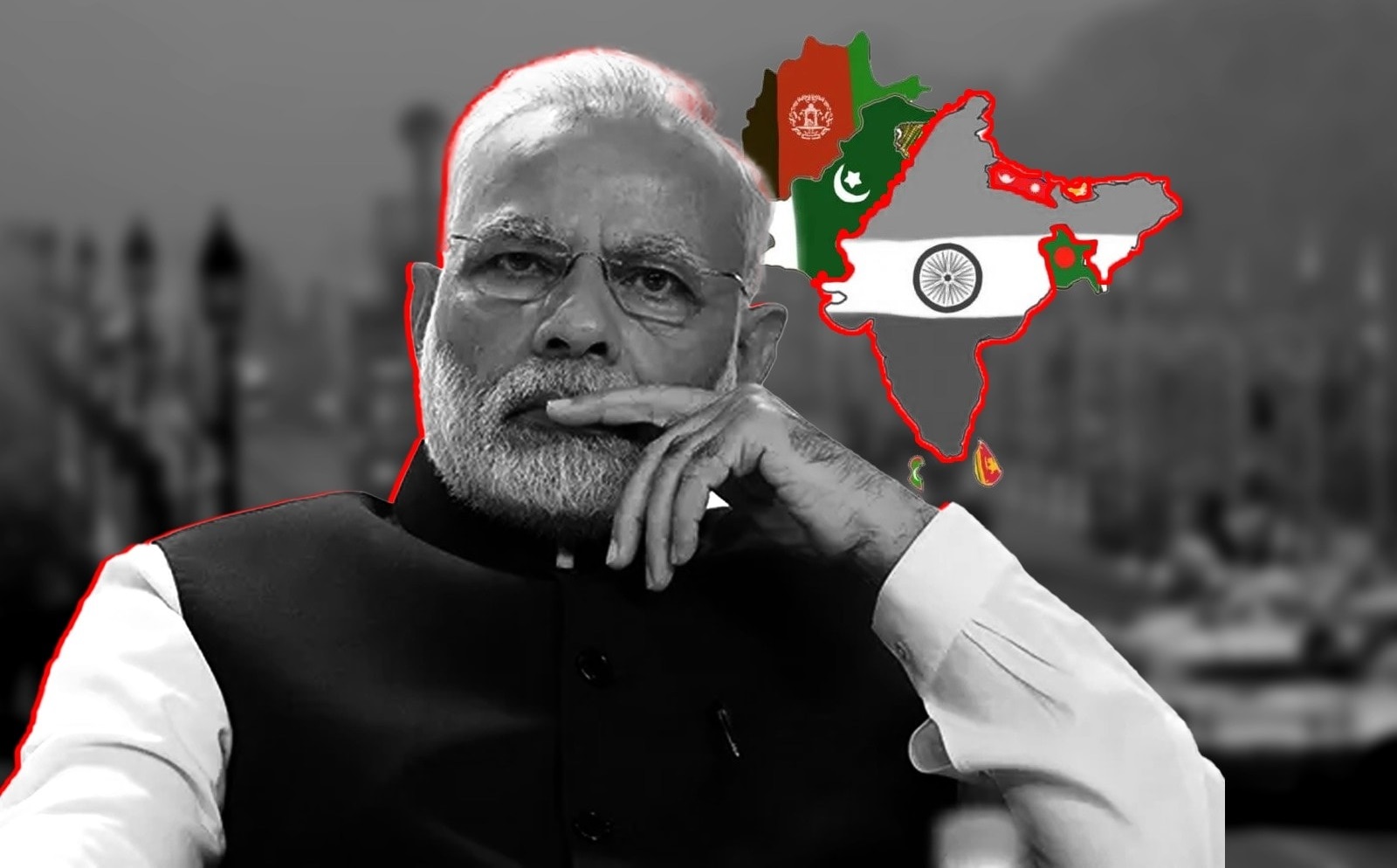
India, long considered the dominant power in South Asia due to its size, economy, and military, is facing increasing resistance from its neighbors. From Bangladesh to Pakistan, Nepal, the Maldives, and Sri Lanka, countries are challenging what they perceive as coercive diplomacy, political interference, and an imbalance of power. Analysts warn that India’s assertive approach may be eroding regional trust.
Bangladesh Shifts Away from India
Bangladesh illustrates the changing dynamics most sharply. For decades, India supported the Awami League and highlighted its decisive role in the 1971 Liberation War, justifying its deep involvement in Bangladesh’s security and economic affairs. That relationship, however, collapsed in 2024.
Prime Minister Sheikh Hasina, seen as India’s closest ally in Dhaka, was removed in a student-led uprising against corruption and repression, during which UN estimates suggest over 1,400 people were killed. India’s response, including visa suspensions, reduced diplomatic engagement, and sheltering Hasina after she fled, drew criticism. She was later sentenced to death for her role in mass killings.
Dr. Nazmus Sakib of the University of Kentucky argued that India has prioritized loyalty over democratic legitimacy in countries like Bangladesh, Sri Lanka, and the Maldives, damaging its regional image. Bangladesh has historically complied with sensitive Indian requests, including the 2015 extradition of ULFA leader Anup Chetia. A refusal to cooperate now would reinforce perceptions of India as a selective and unreliable partner.
Tensions with Pakistan Intensify
Relations with Pakistan deteriorated further in 2025 when India suspended the Indus Waters Treaty—a 1960 World Bank–brokered agreement—after a deadly attack in Pahalgam, Kashmir. Cross-border strikes, including the downing of Indian Rafale jets by Pakistan, heightened tensions until a ceasefire was brokered by former U.S. President Donald Trump. Since then, diplomatic, trade, and even cricket ties remain frozen.
Nepal Asserts Independence
Nepal has also moved away from Indian influence. Tensions, including a 2015 blockade over a new constitution and disputes over Kalapani and Lipulekh Pass, have fueled anti-India sentiment. Political unrest in 2025, the revival of Chinese Belt and Road projects, and road construction disputes with India intensified the #BackOffIndia campaign.
Maldives and Sri Lanka Rebalance
In the Maldives, India’s influence became a central political issue. President Mohamed Muizzu, elected in 2023, demanded the withdrawal of Indian personnel and strengthened ties with China, citing sovereignty concerns.
Sri Lanka presents a more nuanced picture. India responded quickly during Sri Lanka’s 2022 economic crisis, providing nearly $4 billion in aid. Yet public frustration emerged over Indian-backed Adani Group wind power projects and concerns about loans, political pressure, and opaque deals. Analysts note that Sri Lanka now carefully balances engagement with both India and China.
Regional Implications
Across South Asia, a clear pattern has emerged: as India applies pressure, its neighbors explore alternative partnerships, often with China. Critics argue that India’s approach undermines the cooperative image it promotes globally while acting as a dominant enforcer regionally.
Dr. Sakib describes India’s regional diplomacy as a “train wreck,” suggesting that building trust rather than exerting pressure may be key to maintaining long-term influence in South Asia.