By Aman Ullah
At the ICJ, the burden of proof in the Rohingya genocide case lies primarily with The Gambia, the applicant, which must establish that Myanmar’s actions against the Rohingya meet the legal definition of genocide under the Genocide Convention. Myanmar has consistently argued that The Gambia has failed to meet this burden, while the Court follows established precedent that the applicant must prove its case with sufficient evidence.
Burden of Proof in Genocide Cases at the ICJ
General Principles
• Applicant’s Responsibility: The ICJ has clarified in earlier cases (Bosnia v. Serbia, Croatia v. Serbia) that the applicant must establish its case. There is no reversal of the burden of proof in genocide proceedings.
• High Evidentiary Standard: Genocide requires proof of both actus reus (acts such as killing, causing serious harm, or inflicting destructive conditions) and mens rea (specific intent to destroy, in whole or in part, a protected group).
• No Presumption of Genocide: The Court does not assume genocidal intent; it must be demonstrated through credible evidence.
Application in the Rohingya Case
• As the applicant, The Gambia must prove that Myanmar’s military operations against the Rohingya in 2016–2017 involved genocidal acts and intent.
• Myanmar argues that its actions were counterterrorism operations against insurgents, not genocide and that The Gambia has failed to provide sufficient evidence of genocidal intent.
• The ICJ will weigh survivor testimony, UN fact-finding reports, and other documentation against Myanmar’s denial. The Court has already issued provisional measures in 2020 requiring Myanmar to protect the Rohingya, indicating that it found the allegations plausible enough to warrant urgent safeguards.
In short, The Gambia must prove genocidal acts and intent beyond reasonable doubt, while Myanmar’s defense hinges on denying intent and reframing its actions as counterterrorism. The ICJ’s precedent makes clear that the burden of proof rests squarely on the applicant.
The Rohingya genocide case at the International Court of Justice (ICJ), formally The Gambia v. Myanmar, raises complex questions about who must prove what and how high the evidentiary threshold is.
1. General ICJ Principles on Burden of Proof
• Applicant bears the burden: The Gambia, as the applicant, must prove that Myanmar committed acts of genocide in violation of the 1948 Genocide Convention.
• High standard of proof: Genocide requires proof beyond reasonable doubt of both:
o Actus reus: genocidal acts (killing, causing serious harm, inflicting destructive conditions, preventing births).
o Mens rea: specific intent to destroy, in whole or in part, the Rohingya group.
• No presumption of genocide: The Court does not assume genocidal intent; it must be demonstrated through evidence such as official statements, systematic patterns of conduct, or military orders.
2. Application in the Rohingya Case
• The Gambia’s role: It must establish that Myanmar’s military operations against the Rohingya (2016–2017) were not just crimes against humanity or ethnic cleansing, but genocide.
• Myanmar’s defense: Myanmar argues that The Gambia has not met the burden of proof, claiming its actions were counterinsurgency operations against Rohingya militants, not aimed at destroying the group.
• ICJ’s provisional measures (2020): The Court ordered Myanmar to protect the Rohingya, finding the allegations of genocide plausible. This did not mean genocide was proven, but that the case was strong enough to proceed.
3. Challenges in Meeting the Burden
• Intent is hardest to prove: States rarely admit genocidal motives. The Gambia relies on:
o UN Fact-Finding Mission reports.
o Survivor testimonies of killings, sexual violence, and mass displacement.
o Satellite imagery showing destruction of Rohingya villages.
• Myanmar’s counter-narrative: By framing actions as security operations, Myanmar seeks to undermine the claim of genocidal intent.
In summary: The burden of proof lies with The Gambia, which must prove genocidal acts and intent beyond reasonable doubt. The ICJ has already found the allegations plausible enough to impose provisional measures, but the final ruling will hinge on whether The Gambia can meet this demanding evidentiary threshold.
The Gambia is presenting a wide range of evidence at the ICJ to prove Myanmar’s responsibility for genocide against the Rohingya, including UN fact-finding reports, survivor testimonies, satellite imagery, and documentation of systematic killings, sexual violence, and forced displacement.
1. Documentary and Investigative Reports
• UN Fact-Finding Mission (FFM) Reports: Detailed accounts of atrocities committed by Myanmar’s military (Tatmadaw), including mass killings, rape, and destruction of villages.
• Independent Investigative Mechanism for Myanmar (IIMM): Collects and preserves evidence of crimes, including official documents, military orders, and witness statements.
• NGO Reports: Human Rights Watch, Amnesty International, and Fortify Rights have submitted findings on widespread
2. Survivor Testimonies
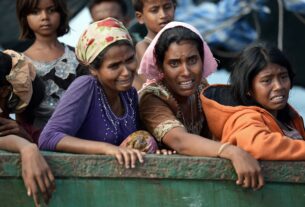
• Eyewitness Accounts: Rohingya refugees in Bangladesh describe killings, sexual violence, and destruction of homes.
• Patterns of Violence: Testimonies highlight systematic targeting of Rohingya civilians, not just insurgents.
• Gender-Based Violence: Accounts of mass rape and sexual assault used to demonstrate genocidal intent.
3. Physical and Forensic Evidence
• Satellite Imagery: Shows widespread burning and destruction of Rohingya villages in Rakhine State.
• Mass Graves: Reports of burial sites consistent with large-scale killings.
• Medical Documentation: Injuries consistent with torture, shootings, and sexual violence.
4. Statistical and Demographic Data
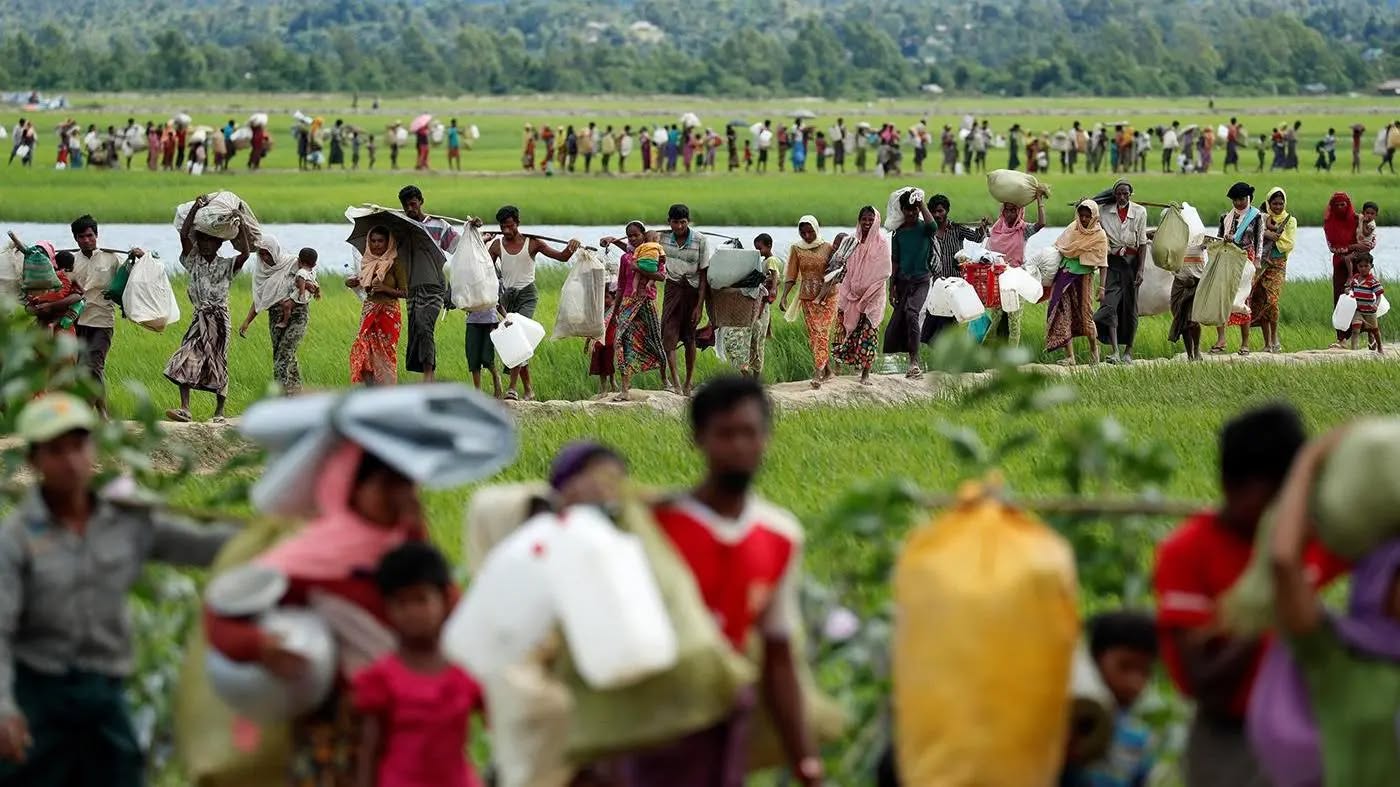
• Displacement Figures: Over 700,000 Rohingya fled to Bangladesh during the 2017 crackdown.
• Casualty Estimates: Thousands killed in coordinated military operations.
• Population Decline: Evidence of intent to erase Rohingya presence in Myanmar.
5. Official Statements and Hate Speech
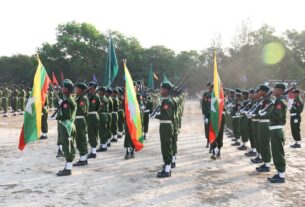
• Military and Political Leaders’ Remarks: Statements portraying Rohingya as outsiders or “terrorists,” used to infer genocidal intent.
• Nationalist Rhetoric: Documentation of hate speech by ultranationalist groups, encouraged or tolerated by authorities.
6. Comparative Legal Evidence
• Precedent from Bosnia and Croatia Cases: The Gambia draws parallels to past ICJ genocide rulings, emphasizing systematic destruction and intent.
• Genocide Convention Obligations: Evidence that Myanmar failed to prevent or punish genocidal acts, violating treaty obligations.
Summary Table of Evidence
Evidence Type Examples Presented
Reports UN FFM, IIMM, NGO documentation
Testimonies Refugee accounts of killings, rape, destruction
Physical Evidence Satellite images, mass graves, medical records
Data 700,000 displaced, thousands killed
Statements Military rhetoric, hate speech
Legal Precedent Comparisons to Bosnia & Croatia ICJ cases
In essence, The Gambia’s case rests on combining survivor accounts, independent investigations, physical evidence, and official rhetoric to prove both genocidal acts and intent.