the Rohingya refugee issue has once again become a central topic of discussion. Hosting around 1.2 million Rohingya refugees—the largest concentration in Asia—Bangladesh continues to grapple with the humanitarian, social, and political challenges posed by the crisis.
Rohingya Refugees Fleeing Myanmar
For decades, Rohingyas have been denied citizenship in Myanmar, leaving them stateless and deprived of basic rights. Waves of refugees have crossed into Bangladesh over the years. In the 1970s and 1990s, a few thousand fled violence, discrimination, and military crackdowns.
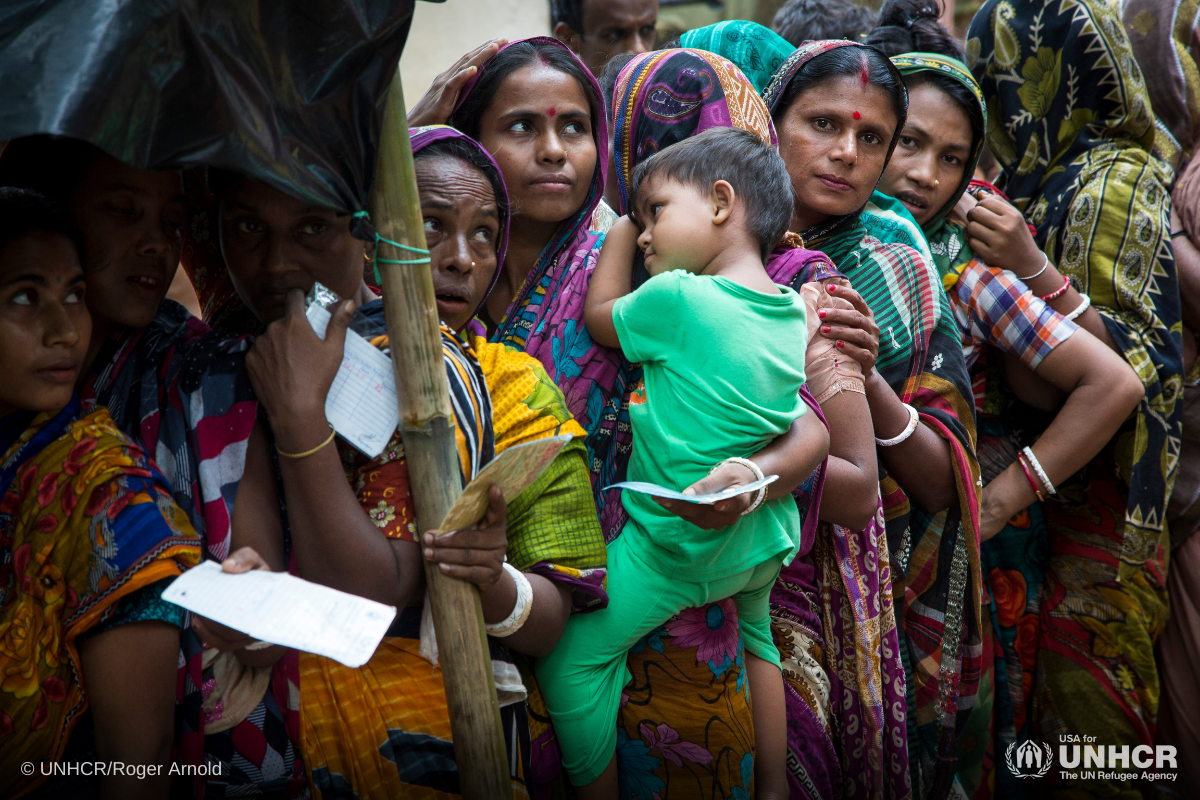
The crisis escalated dramatically in 2017 when the Myanmar military launched a large-scale attack on Rohingya villages. Entire villages were burned, forcing over 750,000 people—half of them children—to flee to Bangladesh within weeks. Most now reside in Kutupalong and Nayapara camps in southern Cox’s Bazar, forming about one-third of the region’s total population. Women and children account for more than 75% of the refugee population, and roughly 95% of households rely entirely on humanitarian assistance for food, shelter, and other basic needs.
Bangladesh: A Haven Amid Regional Challenges
Bangladesh shares a long border with Myanmar’s Rakhine State, where the majority of Rohingya lived. For those fleeing sudden violence, Bangladesh offered the fastest and most accessible escape route. Neighboring countries such as India, Thailand, and Malaysia are farther or impose stricter border controls, limiting safe passage.
Despite not being a signatory to the 1951 Refugee Convention, Bangladesh has provided shelter and support to Rohingya refugees for more than five years. Former Prime Minister Sheikh Hasina highlighted the country’s commitment, stating, “We have the ability to feed 160 million people of Bangladesh, and we have enough food security to feed the 700,000 refugees.” Bangladesh allocates approximately $1.2 billion annually to support the refugees, reflecting empathy rooted in the nation’s own history of displacement during the 1971 Liberation War.
Regional Displacement and Dangerous Journeys
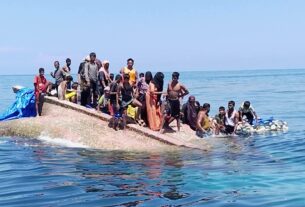
By 2025, Myanmar had over 3.5 million internally displaced people (IDPs), with 1.3 million displaced since February 2021. Many Rohingyas have attempted dangerous journeys to Indonesia, Malaysia, and other countries by sea, with some 110,000 reaching Malaysia and around 23,300 entering India.
Government Efforts and Ongoing Challenges
Bangladesh has taken steps to reduce overcrowding in its 33 refugee camps. Since 2021, nearly 30,000 refugees have been relocated to Bhasan Char, a remote island in the Bay of Bengal, with plans to resettle up to 100,000 people. The government has invested over $350 million to provide food, healthcare, and shelter, though challenges persist due to limited infrastructure, vulnerability to natural disasters, and questions about long-term sustainability.
Bangladesh continues to collaborate with international organizations, including the United Nations and the Organisation of Islamic Cooperation, as well as regional powers such as China and India, to manage the crisis and improve conditions for the displaced population.