Maungdaw Township, Rakhine State
Eyewitnesses and community sources have alleged that members of the Arakan Army (AA), together with some local Rakhine (Mogh) groups, dismantled remaining Rohingya homes and mosques in Myaw Taung village in northern Maungdaw Township. The reported actions have raised fresh concerns over property rights, cultural heritage, and the future prospects for displaced Rohingya families seeking to return.
Gradual Removal of Surviving Structures
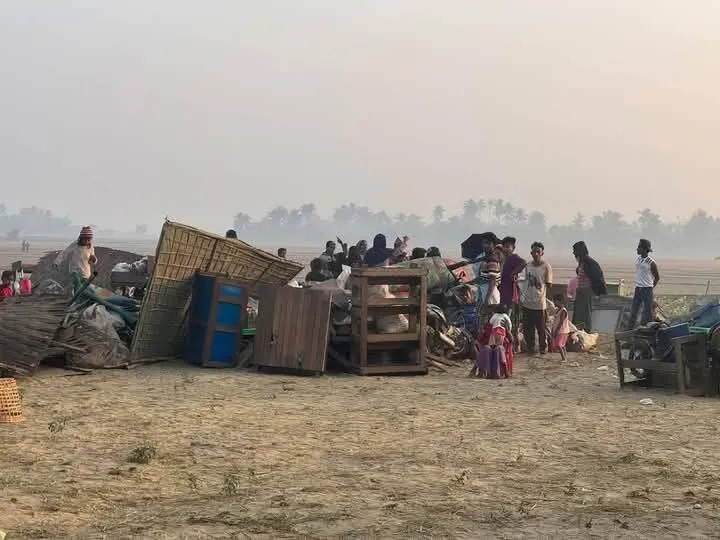
According to local sources, several buildings that had survived the violence and mass displacement of 2017 were gradually taken apart after Rohingya residents were forced to flee the area. Community members claim that timber, roofing sheets, bricks, and other construction materials from abandoned homes and religious sites were reused to build new settlements nearby.
While independent verification remains difficult due to restricted access and ongoing insecurity in parts of Rakhine State, multiple accounts describe a systematic removal of structures that once marked the Rohingya community’s presence in Myaw Taung.
Erasing Physical Evidence of Presence
Community representatives argue that the dismantling of homes and mosques effectively erases visible evidence of the Rohingya community’s long-standing ties to the village. They warn that without standing structures, land markers, or preserved documentation, displaced families may face increased challenges in proving ownership of land and property in the future.
Observers note that the destruction or repurposing of religious and residential infrastructure carries implications beyond physical loss. It may complicate efforts toward restitution, reconciliation, and any future arrangements for voluntary, safe, and dignified return.
Cultural and Emotional Impact
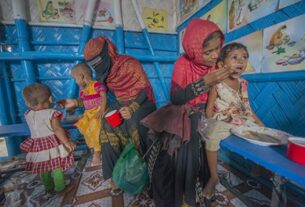
For many displaced Rohingya refugees, mosques and family homes symbolize more than property—they represent identity, history, and belonging. Sources say the reported dismantling of these sites deepens the emotional trauma already experienced by families uprooted in 2017.
Refugees interviewed in Cox’s Bazar expressed fears that, without preservation of land records and community landmarks, reclaiming property in Myaw Taung and surrounding areas will become increasingly uncertain. Some described the removal of structures as a step that could permanently alter the demographic and historical landscape of the village.
Broader Concerns
Human rights observers have long emphasized that safeguarding property rights and cultural heritage is essential for any durable solution to displacement. Allegations of dismantling homes and religious buildings, if confirmed, could raise serious questions about compliance with international standards related to civilian property and minority protections.
As the situation remains fluid and access limited, affected families and advocacy groups are calling for impartial monitoring, documentation of property claims, and measures to preserve evidence that may be critical for future restitution or legal processes.
For displaced Rohingya families, the fate of Myaw Taung is not only about buildings—it is about the possibility of return, recognition, and justice.