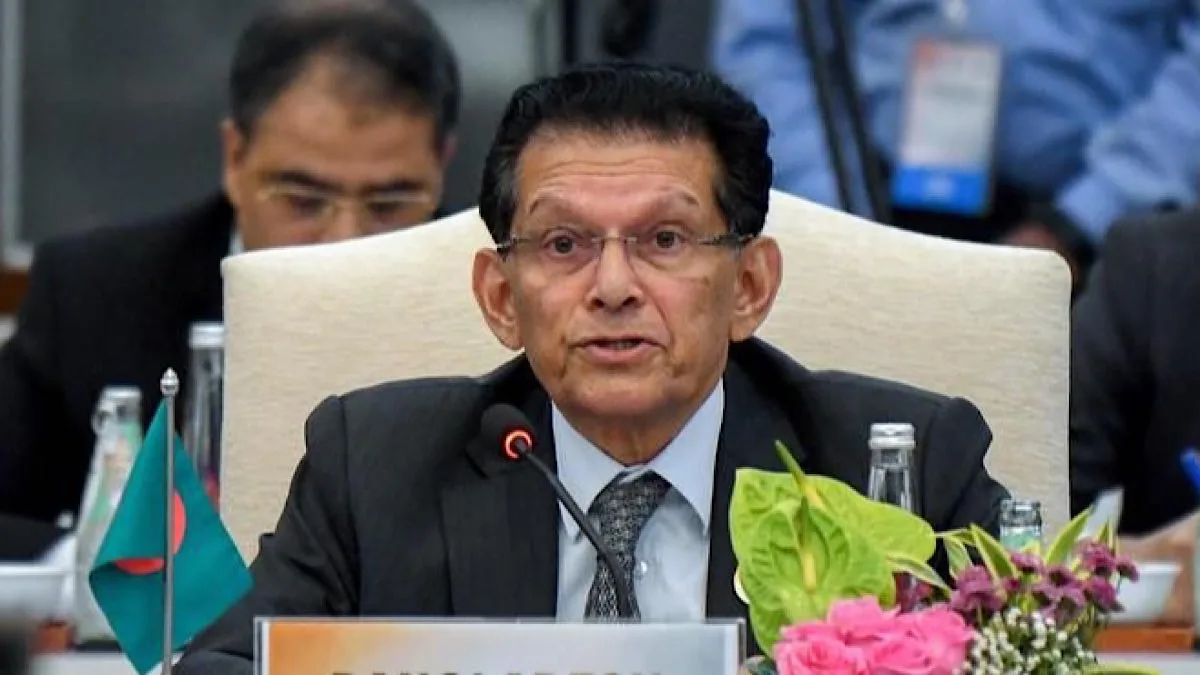
The Bangladesh government is actively working to establish effective dialogue with both the Myanmar authorities and the Arakan Army (AA) in an effort to create a stable environment in Myanmar’s Rakhine State, a key prerequisite for the safe return of Rohingya refugees, Foreign Minister Khalilur Rahman told parliament on Wednesday.
Responding to a question from Chattogram-15 lawmaker Shahjahan Chowdhury, the foreign minister emphasized that the Rohingya repatriation process remains one of the most complex and sensitive international challenges facing Bangladesh. He noted that despite years of diplomatic efforts, the successful return of displaced Rohingyas ultimately depends on conditions inside Rakhine State, where ongoing armed conflict and political instability continue to pose significant obstacles.
Khalilur Rahman explained that the pace of progress toward resolving the Rohingya crisis is influenced by three critical factors: the security situation in Rakhine, the level of international pressure on Myanmar, and most importantly, the willingness of Myanmar’s authorities to cooperate in facilitating the return of refugees.
“Ethnic conflict and armed violence have persisted in Rakhine for many years. Under international law, repatriation cannot be imposed on refugees or carried out under unsafe conditions,” he said. “Our government firmly believes that dialogue is essential to restoring stability in Rakhine, and we are making continuous efforts to support that process.”
The minister highlighted that Bangladesh is engaging with all relevant stakeholders to help create conditions conducive to the voluntary and dignified return of Rohingyas. In particular, the government recognizes the growing influence of the Arakan Army in large parts of Rakhine State and views communication with all key actors as necessary for any long-term solution to the crisis.
According to the minister, preparations on Bangladesh’s side are nearing completion to ensure that repatriation can begin as soon as conditions become favorable. However, he cautioned that it remains difficult to provide a specific timeline due to the fluid security situation and political uncertainties inside Myanmar.
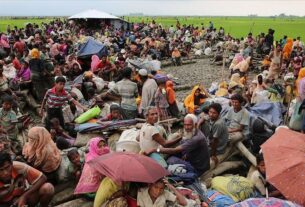
Bangladesh currently hosts more than one million Rohingya refugees, most of whom fled military operations and violence in Myanmar’s Rakhine State. Nearly a decade after the mass exodus of 2017, repeated attempts to initiate large-scale repatriation have failed because of security concerns, lack of guarantees for citizenship rights, and the absence of a stable environment for returnees.
Khalilur Rahman reiterated that Bangladesh remains committed to achieving a permanent solution to the crisis through safe, voluntary, dignified, and sustainable repatriation. He stressed that the government will continue to pursue diplomatic engagement and international cooperation while ensuring that any future repatriation process complies with international legal standards and protects the rights and security of the Rohingya population.
The latest remarks reflect Bangladesh’s continued efforts to balance humanitarian responsibilities with diplomatic engagement, while seeking practical pathways to resolve one of the region’s most protracted refugee crises.