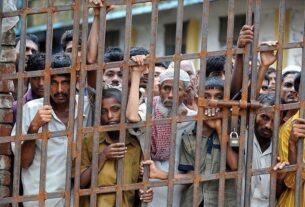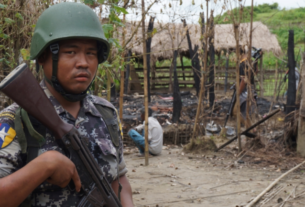
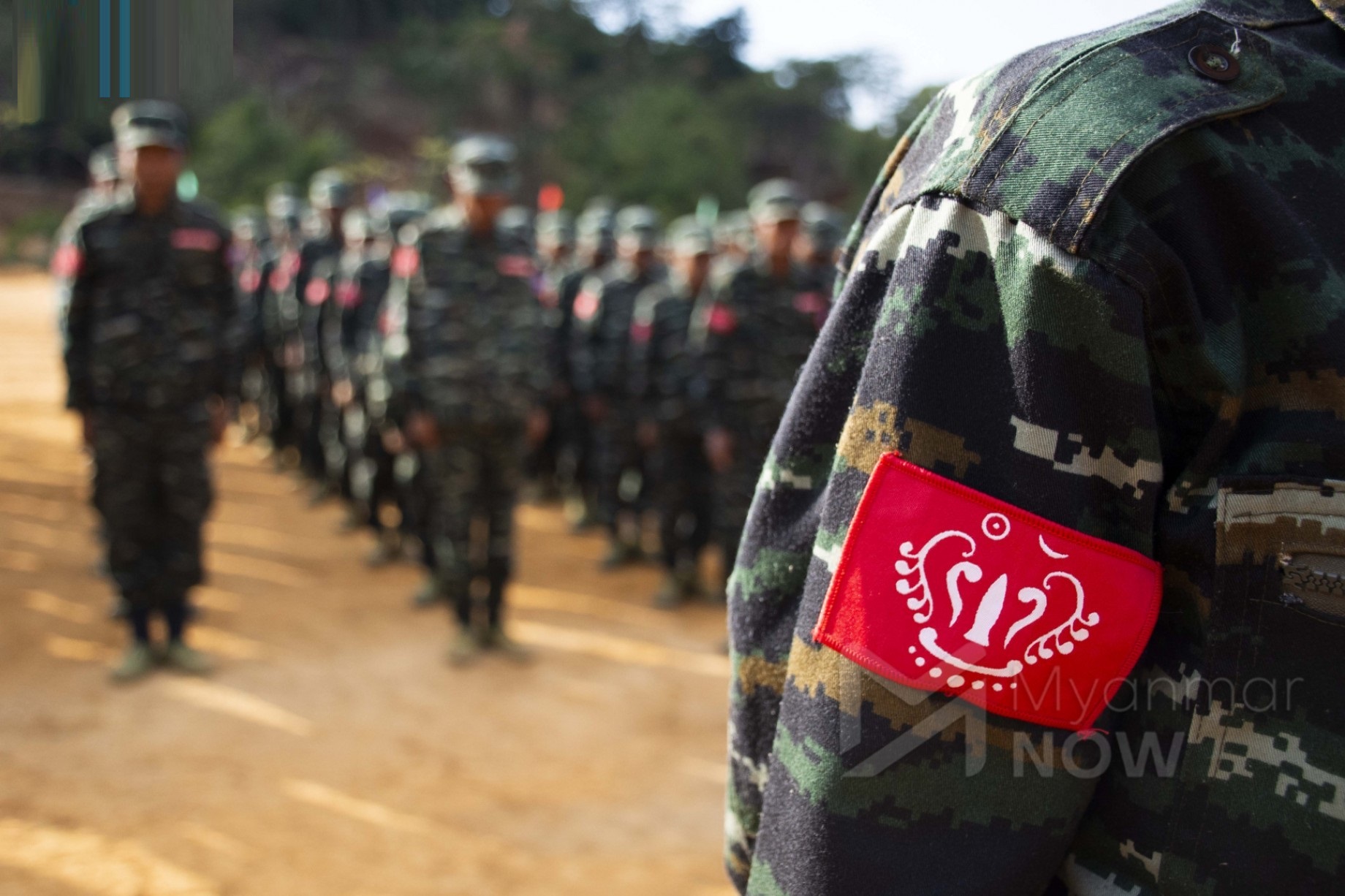
Arakan Muslims (Rohingya), long persecuted by Myanmar’s military, are now facing new threats from the Arakan Army (AA), a Buddhist ethnic insurgent group from Rakhine State.
Human rights expert Lwin highlighted that the Rohingya population remains under extreme threat, urging the international community to establish a safe zone to protect vulnerable civilians from escalating violence. He described this as the only viable solution given the current situation in the region.
“When it comes to Rohingya, the Arakan Army has the same intention as the Myanmar military,” Lwin said.
Formed in 2009, the AA seeks greater autonomy in Rakhine State and has engaged in armed conflict with Myanmar’s military, particularly between 2018 and 2020. According to Lwin, around 550,000 Rohingya Muslims reside in Rakhine State and the surrounding areas, many of whom now face grave threats.
“In the past few months, the Arakan Army has killed more than 2,500 Rohingya Muslims and displaced at least 300,000 across two townships,” Lwin reported. He added that more than 30,000 Rohingya have fled to Bangladesh due to persecution and killings.
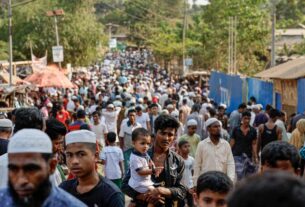
The UN previously estimated that in 2017, approximately 700,000 Rohingya fled Myanmar following a military crackdown, seeking refuge in Bangladesh. Many remain in overcrowded camps in Cox’s Bazar, facing limited resources and an uncertain future.
Lwin emphasized that Rohingya refugees in Bangladesh cannot return as long as the Arakan Army maintains control over their lands. He also noted that the AA appears to be continuing what Myanmar’s military once described as “unfinished business” from World War II, echoing comments made by military leaders in 2018.
Criticizing the UN Security Council, Lwin said that prioritizing humanitarian aid over addressing the root causes of the Rohingya crisis risks worsening the situation. He urged more countries to support international legal actions, including cases pursued by the International Criminal Court (ICC).
“There are more than 150 countries who just signed the genocide convention. They can all join, and it can become a big case, as they have been talking about accountability and justice,” he said.
The ICC prosecutor requested an arrest warrant for Myanmar junta chief Min Aung Hlaing on November 27 for his role in the 2017 persecution and deportation of Rohingya Muslims. This application marks the first case against a high-level Myanmar official connected to the Rohingya crisis.