Assistant Secretary-General Khaled Khiari says community increasingly caught in escalating conflict
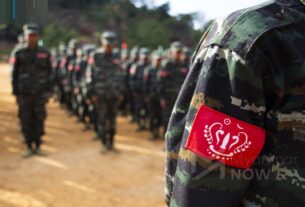
The United Nations has raised renewed alarm over the deteriorating security and humanitarian situation facing Rohingya civilians in Myanmar’s Rakhine State, warning that the community is being targeted by both the military council and the Arakan Army (AA).
In a Security Council briefing in April 2024, Khaled Khiari, United Nations Assistant Secretary-General for the Middle East, Asia and the Pacific, stated that fighting between Myanmar’s military authorities and the AA had reached unprecedented intensity, compounding long-standing vulnerabilities in central and northern Rakhine.
Caught Between Warring Parties
According to UN assessments, Rohingya communities are increasingly trapped in active conflict zones as clashes escalate between the military council and the AA. Khiari warned that decades of systemic discrimination, statelessness, and movement restrictions have left the Rohingya acutely exposed to renewed violence.
Reports presented to the United Nations indicate that both sides to the conflict have been implicated in abuses.
Allegations Against Both Sides
The Myanmar military has been accused of forced recruitment of Rohingya men, as well as maintaining severe restrictions on movement and humanitarian access. Meanwhile, the Arakan Army has faced allegations of targeting Rohingya villages during territorial offensives, including incidents of arson, killings, forced displacement, and obstruction of aid deliveries.
Independent monitoring groups and humanitarian actors have documented a marked escalation in violence during 2024–2025, particularly in northern Rakhine, where entire communities have reportedly been uprooted amid intensified clashes.
Deepening Humanitarian Emergency
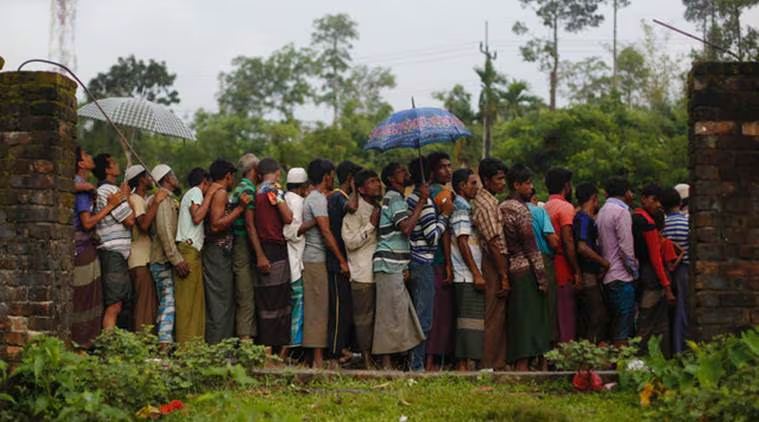
As of early 2026, conditions inside Rakhine State have further deteriorated. Intensified fighting has triggered new waves of displacement, while access to food, medicine, and essential services remains severely constrained.
Humanitarian agencies report critical shortages in displacement sites and villages cut off by insecurity, raising concerns of malnutrition, preventable disease outbreaks, and civilian casualties.
UN Calls for Civilian Protection
UN officials have called on all parties to the conflict to immediately cease attacks on civilians and to uphold their obligations under international humanitarian law, including the principles of distinction, proportionality, and protection of non-combatants.
The United Nations has reiterated its demand for unimpeded humanitarian access and stressed that any durable resolution must address the structural drivers of the crisis — including citizenship rights, accountability for past atrocities, and guarantees of safety and freedom of movement for the Rohingya population.
Without immediate de-escalation and meaningful political engagement, UN officials warn that the Rohingya community remains at extreme risk amid Myanmar’s protracted conflict.