“Colourful Dreams Across the Sea, But Rohingya Youth Held Hostage for Ransom”
Human trafficking networks have once again become highly active in the Rohingya refugee camps of Ukhiya and Teknaf in Cox’s Bazar. Exploiting uncertainty in camp life and the lure of a better future, traffickers are increasingly persuading Rohingya youths to attempt dangerous sea journeys to Malaysia. However, many are being held hostage mid-route, with their families forced to pay large sums of ransom.
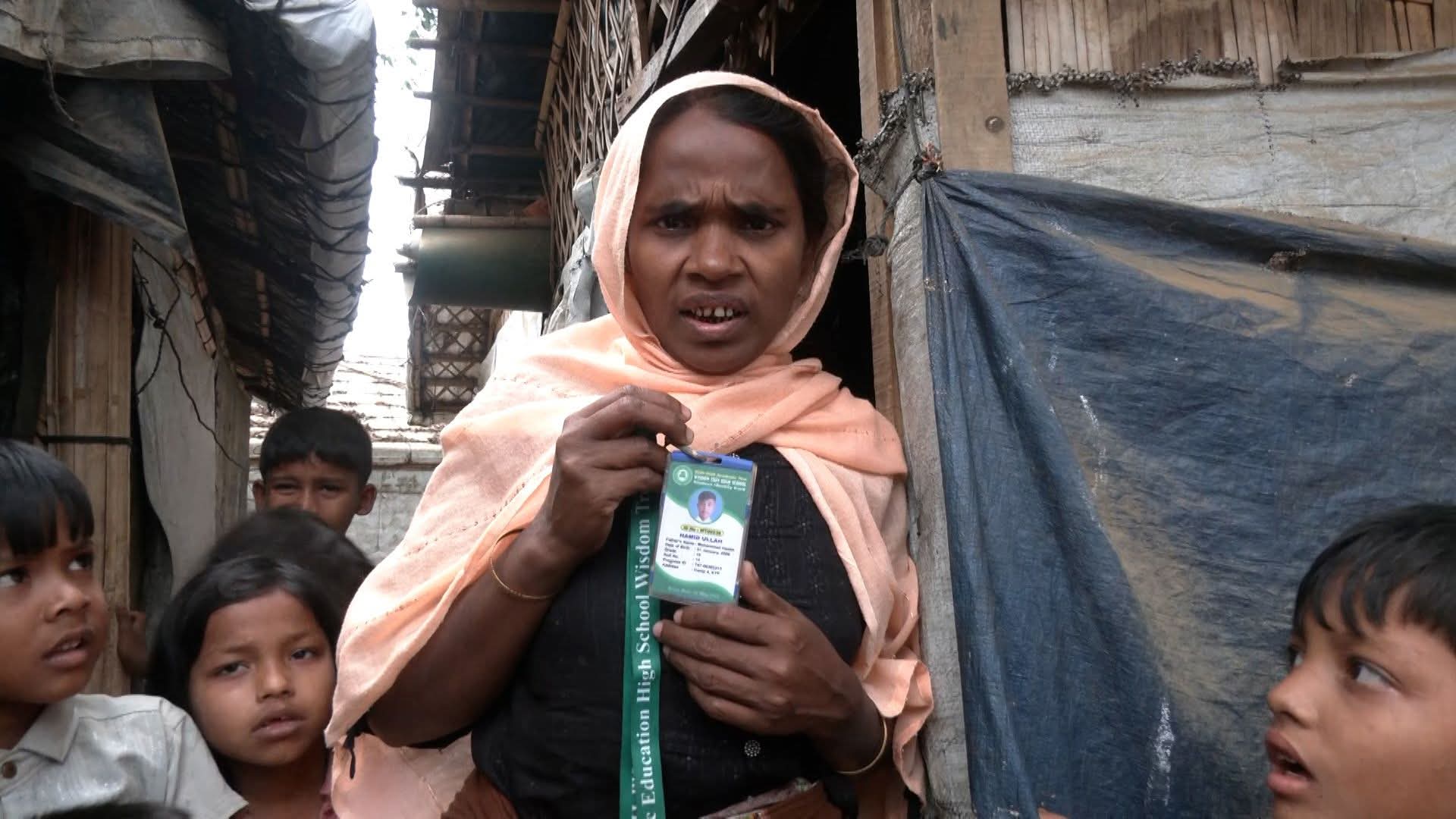
Hamid Ullah, a 20-year-old student from Camp 4 in Ukhiya, disappeared after leaving home saying he was going to school. Fourteen days later, his family learned that he had boarded a trawler bound for Malaysia. Now, traffickers are demanding 400,000 BDT for his release from an unknown location.
His mother, Kala Puto (40), said she had struggled to support her son’s education up to Grade 10, but financial hardship forced her to ask him to stop studying and work. However, Hamid wanted to continue his education.
She added that after leaving home for school one day, he never returned. Later, unknown individuals informed the family that he was alive, but they were never able to speak to him directly. While some suggest he may be in Thailand, this has not been confirmed. Meanwhile, the family is now facing a ransom demand of 400,000 BDT.
This situation is not limited to Hamid’s family. Children of Khairul Bashar and Nur Haba are also reportedly being held by traffickers after attempting to travel to Malaysia by sea, with families unable to pay the demanded ransom.
Nur Haba (32) said her son was lured away by a person posing as a friend, taken to an unknown location, and later trafficked by force to Malaysia. For 14–15 days, she has had no confirmed information about him.
She added that she later received a call from an unknown number showing photos of her son and three other children, and allowing them to speak briefly, pleading for money to secure their release. The traffickers are demanding 300,000 to 400,000 BDT.
She said it is still unclear whether her son is in Malaysia or Thailand, and she fears he may be speaking under coercion due to torture.
Khairul Bashar (37) said his son has been missing since February 27. He is unsure whether he has been trafficked or abducted. Some in the camp believe he may have already reached Malaysia by sea.
According to residents, traffickers operate both inside and outside the camps, targeting young people with false promises of jobs and a better life in Malaysia.
Farmina (26), a resident of Camp 4, Block C-7, said traffickers usually avoid direct presence in camps and instead build contacts outside, befriending youths and convincing them through phone calls with earlier migrants who claim the journey is safe and profitable.
She added that in many cases, youths are “sold” in advance and later handed over for trafficking.
Mohammad Siraj (27) said traffickers lure Rohingya youths onto boats heading to Malaysia and that such activities must be stopped urgently. He noted that many families are now devastated, as their children are missing and ransom demands continue.
Abu Taiyeb (37) also reported increased trafficking activity, saying many youths are abducted on the way to Malaysia and later extorted for money, while others end up in prisons in transit countries.
Authorities say trafficked or rescued individuals are brought back to camps for counselling, and legal action is taken if complaints are filed.
The Refugee Relief and Repatriation Commissioner (RRRC) said delays in repatriation have increased desperation among Rohingya, pushing many to take dangerous sea routes.
Officials also confirmed that multiple human trafficking cases are ongoing in Cox’s Bazar, with several arrests already made, and calls have been raised for a special court to handle such crimes.
Law enforcement agencies, along with the IOM and other organizations, are conducting awareness campaigns, while joint forces including police, Coast Guard, BGB, and Navy continue efforts to prevent human trafficking.
In the last five months alone, the Coast Guard rescued 335 people attempting sea journeys to Malaysia and arrested 30 individuals involved in trafficking networks.