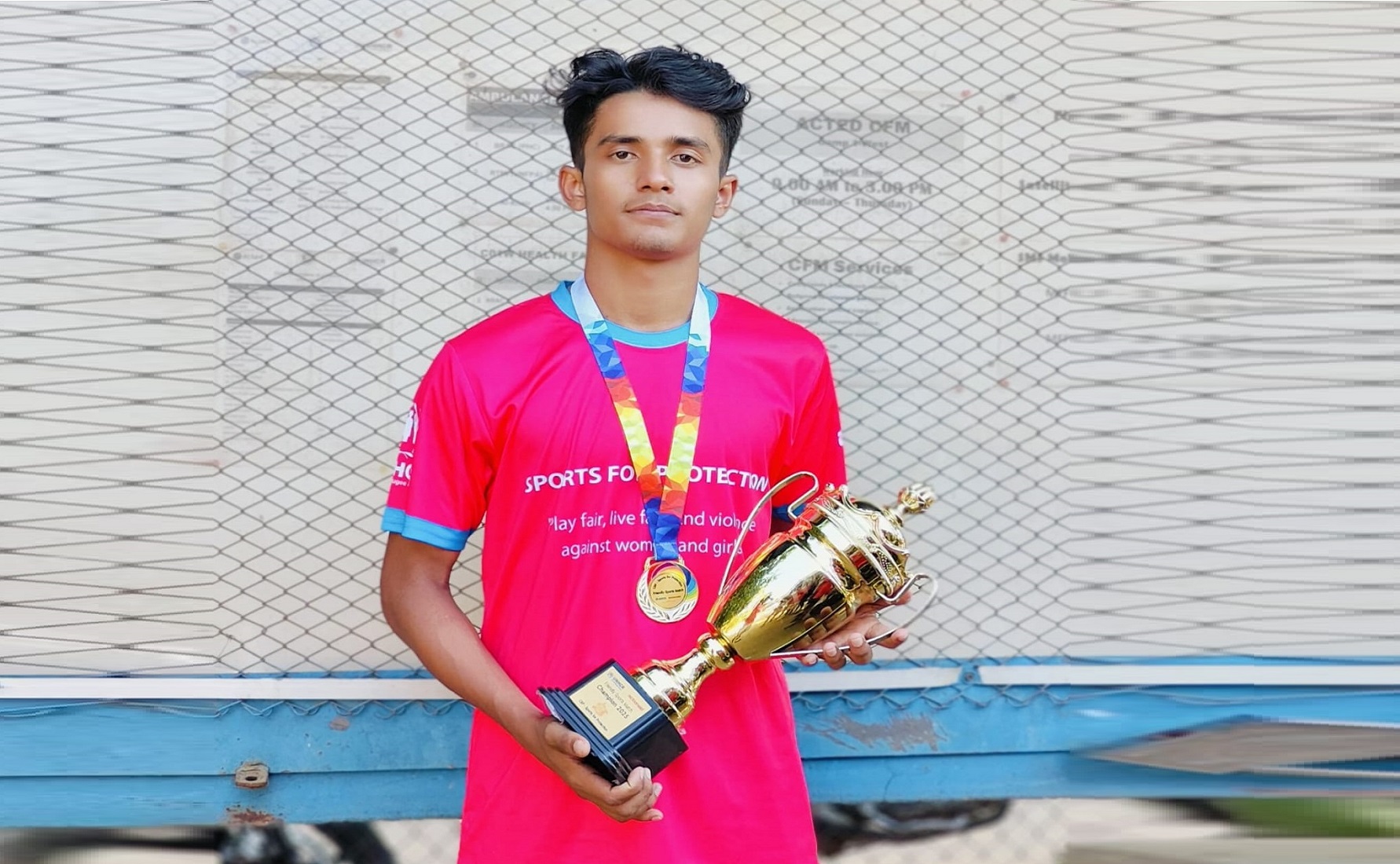
In communities facing displacement and uncertainty, the fight against human trafficking often requires more than law enforcement—it demands hope, structure, and opportunity. For Obaidullah, a player of the Rohingya National Sepaktakraw Team, sports have become a powerful tool in that fight.
In a recent interview with wsnews24.com, Obaidullah emphasized the vital role that sports can play in protecting vulnerable youth from falling into the traps of traffickers. According to him, engaging young people in organized sports not only keeps them physically active but also mentally focused and socially connected—key factors in reducing their susceptibility to exploitation.
“Sports give us a purpose,” he explained. “They keep young people busy, disciplined, and united. When you are part of a team, you are less likely to be misled by false promises or dangerous opportunities.”
For many Rohingya youths living in refugee camps or marginalized conditions, the risk of human trafficking remains alarmingly high. Limited access to education, employment, and secure livelihoods often leaves them exposed to traffickers who prey on desperation. In such an environment, sports offer a rare but impactful alternative.
Through training sessions, competitions, and teamwork, young athletes develop confidence, resilience, and a sense of belonging. These qualities not only empower them individually but also strengthen community bonds—creating an environment where awareness and mutual support can flourish.
Obaidullah believes that expanding sports initiatives within Rohingya communities could significantly contribute to prevention efforts. “If more young people are involved in sports, they will have something to look forward to. It builds dreams and keeps them away from harmful paths,” he added.
His message highlights a broader truth: combating human trafficking is not solely about stopping criminals, but also about creating positive pathways for those at risk. In this regard, sports stand out as a simple yet effective solution—one that nurtures both body and mind while offering a safer, more hopeful future.
As the global community continues to search for sustainable ways to address human trafficking, voices like Obaidullah’s remind us that sometimes, the most powerful interventions begin on the playing field.