More than 700 civilians were killed by Myanmar’s military within a six-month period, highlighting the worsening humanitarian crisis and the devastating impact of the country’s ongoing civil conflict, according to a recent report by the United Nations Human Rights Office.
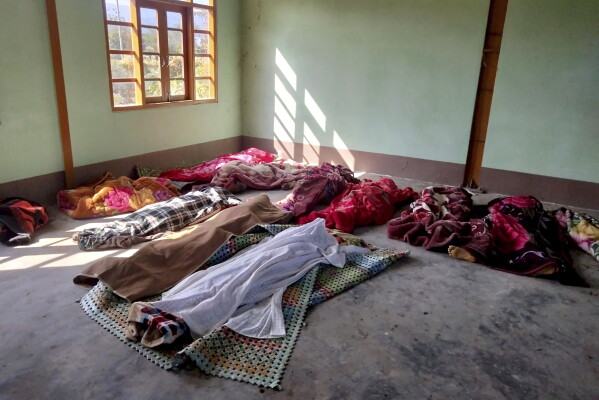
The report, which covers the period from August 2025 to January 2026, verified at least 702 civilian deaths caused by military operations. Among the victims were 224 women and 153 children, underscoring the disproportionate suffering endured by vulnerable populations amid escalating violence.
The findings coincide with the period following the military junta’s announcement of planned elections, a process widely criticized by international observers and opposition groups as lacking legitimacy. Major opposition parties have been excluded from participation, while vast areas of the country remain inaccessible due to ongoing armed conflict, raising serious concerns about the credibility and inclusiveness of the electoral process.
According to the UN, air strikes continued to be the single largest cause of civilian casualties and destruction. The military’s increasing reliance on aerial bombardments has resulted in widespread devastation of homes, schools, religious sites, and public infrastructure across multiple regions of Myanmar.
The central region of Sagaing emerged as the deadliest area for civilians during the reporting period. The UN documented 191 civilian deaths in Sagaing alone, including 60 women and 30 children, as military forces intensified operations in an effort to regain territorial control from resistance groups. The region has remained a focal point of fierce fighting since the military seized power in February 2021.
Beyond the mounting death toll, the report also highlights severe human rights violations affecting communities across the country, including the Rohingya population in western Myanmar. Ongoing armed clashes, forced displacement, restrictions on humanitarian access, and attacks on civilian infrastructure continue to exacerbate the suffering of millions of people.
Human rights advocates and international organizations have repeatedly called for greater accountability for alleged war crimes and crimes against humanity committed during the conflict. The latest UN findings are expected to intensify international pressure on Myanmar’s military leadership and renew calls for stronger measures to protect civilians.
As the conflict enters another year with no political resolution in sight, the report paints a grim picture of a population trapped between escalating military operations and a deepening humanitarian emergency. For many civilians, particularly women and children, the consequences of the conflict continue to be both immediate and devastating.