The Rohingya crisis has long been viewed not only as a humanitarian issue but also as a complex challenge involving security and border management. In recent times, various incidents have once again highlighted the expansion of active human trafficking networks linked to this crisis.
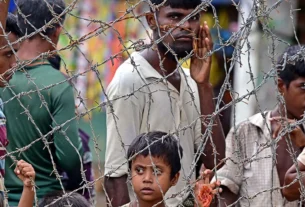
According to experts, organized trafficking groups have been operating for years by targeting vulnerable Rohingya refugees living in camps, as well as poor communities in border areas. These networks typically lure people with false promises of jobs abroad, a better life, and a secure future, only to push them into dangerous sea journeys.
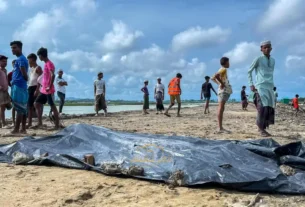
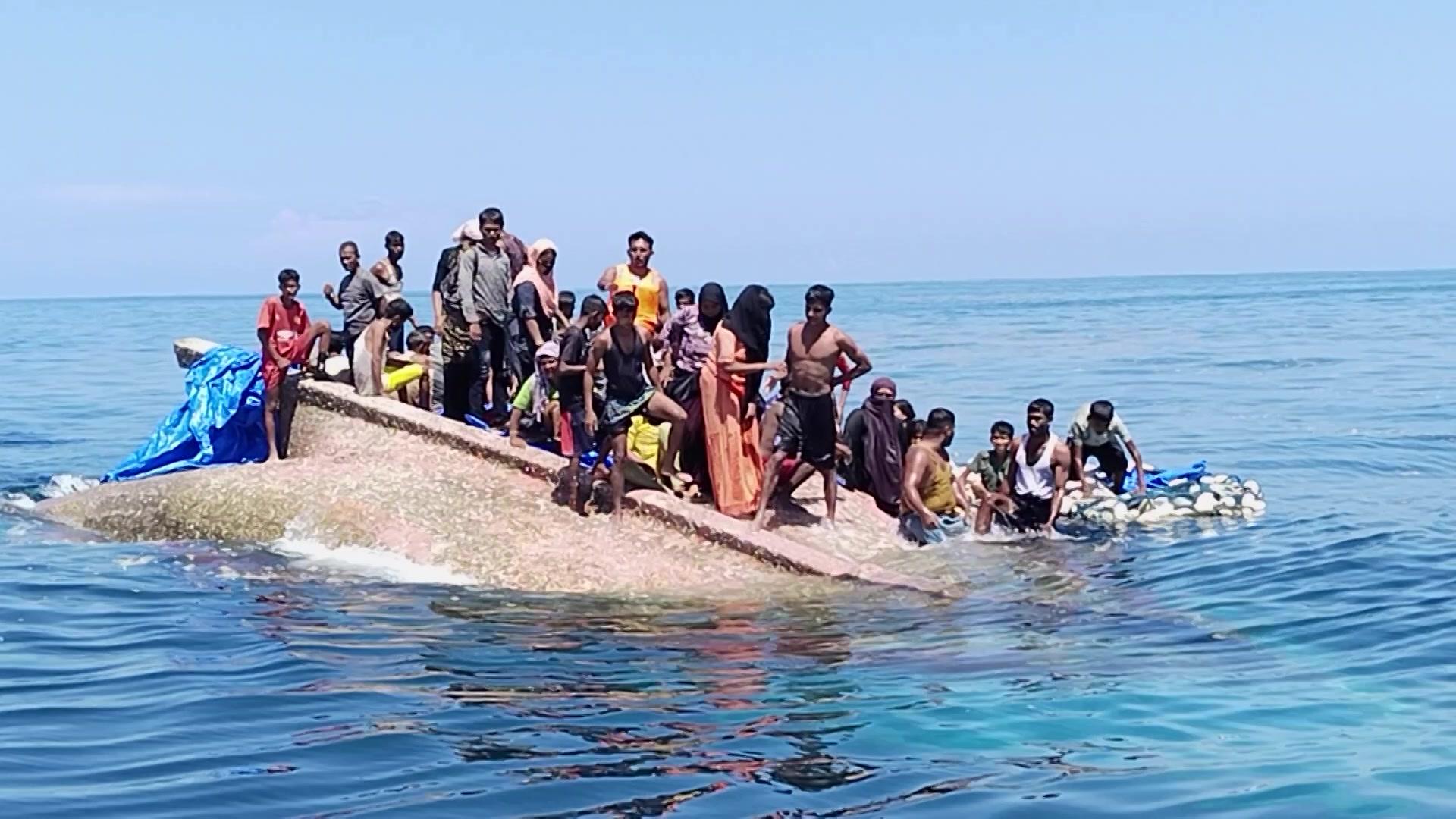
Following the recent tragedy in the Andaman Sea, where an overcrowded trawler sank and many people went missing, renewed attention has been drawn to trafficking routes and the role of organized broker networks.
Local sources suggest that while some brokers in border areas are involved, broader regional criminal networks may also be active. They reportedly use hidden shelters to move victims from one location to another, creating significant challenges for law enforcement agencies.
Analysts believe that the prolonged refugee crisis, lack of employment opportunities, and weak border management have further strengthened these trafficking networks. As a result, many individuals are forced to risk their lives in attempts to migrate illegally.
However, authorities state that surveillance against human trafficking has been strengthened, and efforts are underway to identify and bring traffickers to justice. At the same time, emphasis is being placed on raising public awareness so that people do not fall victim to such deceptive schemes.
Overall, it can be said that beneath the humanitarian dimension of the Rohingya crisis lies an expanding trafficking network that has become a major regional challenge, requiring coordinated and effective action to address it.