Executive Summary
R26. Rohingya Genocide Report November 2020, Naasha Puru (Ngar Sar Kyu) Village
In August 2017, Myanmar security forces advanced upon the village of Naasha Puru (Ngar Sar Kyu), located in Maungdaw, Rakhine State. Prior to that, in October 2016, 100-300 assailants from the Myanmar military, as well as Rakhine civilians, besieged the village from their deployment station at the village school. They killed and injured the Rohingya with gunfire. Security forces unlawfully arrested villagers, burned down their homes, and looted their property. The military raped Rohingya women.
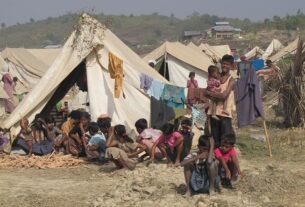
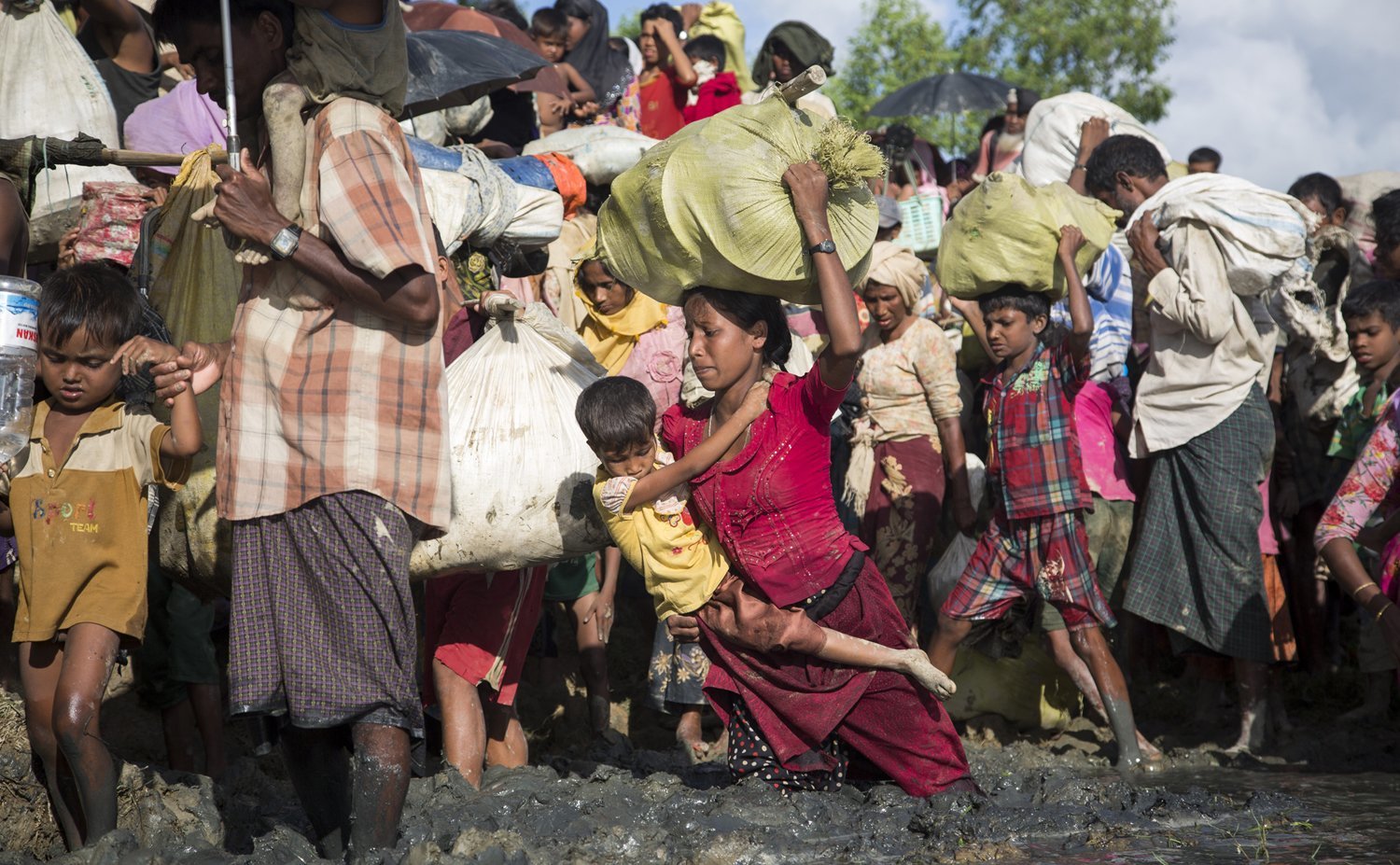
In the terror after such mass-scale violence and killing, Naasha Puru villagers escaped to Bangladesh, where they now live in temporary tents inside sprawling refugee camps.
Yet the systematic destruction of the Rohingya people began far earlier than August 2017. Starting from decades earlier, the government confiscated land from Rohingya villagers and appropriated it for a fish farm and allocated it to Rakhine settlers.
And during the time period of 2012-2016, Rohingya experienced multiple and successive forms of religious discrimination and persecution. This included prohibitions on giving religious sermons, on holding religious events, on practicing Qurban (ceremonial sacrifice of livestock animals), and on using a microphone for azan (to make calls to prayer). They were forbidden to gather in groups of five or more people, which abrogated religious fellowship. Nor could they freely use their mosque for prayer or provide Islamic education to their children at the madrasa. Security forces physically beat, arrested, extorted money, and detained those