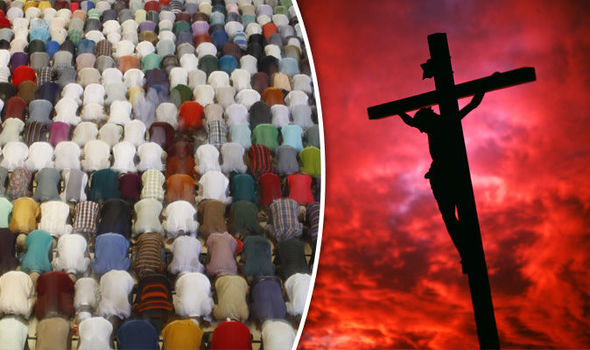
In Bangladesh and across South Asia, people of different religions have lived side by side for centuries. Muslims, Christians, Hindus, and Buddhists—members of all communities—share the same villages, towns, and workplaces. Yet occasionally, incidents occur where individuals or families of different faiths come into conflict. Many times, these incidents are quickly labeled as communal clashes. However, the reality is that not all such events stem from religious animosity; in most cases, the underlying causes are personal, social, or local in nature.
Personal and Familial Disputes
In many instances, conflicts arise from family or personal issues. Disputes over land, business dealings, debts, or strained family relationships can create tensions between parties. If the individuals involved belong to different religious communities—such as one Christian and one Muslim—the incident may easily take on a religious color, even though the original cause was purely personal.
Property and Local Interests
Conflicts over land or property in rural areas or town outskirts can often escalate into major disputes. Local power struggles, business competition, or social influence can also contribute to tensions. In such cases, religious identity may not be the root cause, but it often becomes a significant factor in how the conflict is perceived.
Local Politics and Social Tensions
Local political rivalries can sometimes affect social relations. In certain cases, when people of different religions become involved in local power struggles, incidents may quickly be interpreted as communal clashes. Political opponents may also sometimes portray events as communal to weaken adversaries or influence public opinion.
The Role of Misunderstandings and Rumors
In today’s age of social media and rapid information dissemination, rumors or incomplete information can play a major role. A minor incident or personal quarrel may spread distortedly through social media, creating large-scale tensions. In such situations, there is a risk that the incident will quickly be presented as a religious conflict.
Risk of Escalating into Communal Conflict
Although many conflicts are rooted in personal or social causes, in a tense environment, they can sometimes take on a communal dimension. Misinterpretation, provocation, or rumors can mislead local people and complicate the situation. Therefore, careful and impartial investigation is essential to determine the true cause of any incident.
Importance of Peaceful Coexistence
Coexistence among people of different religions has long been a tradition in Bangladesh and the region. It is therefore important to identify the true causes of personal or social disputes rather than labeling them as communal. Local authorities, community leaders, and the media have a responsibility to verify facts and present information responsibly.
Not all conflicts between Christians and Muslims should be automatically viewed as communal. Many incidents stem from personal interests, family disputes, property conflicts, or local political issues. To understand the true cause of any incident, it is essential to rely on factual analysis rather than emotions or rumors. Awareness of this is crucial to maintaining peace and harmony in society.