Arakan Army’s “Double Standard” on Bangladesh Ties Raises Questions Over Rohingya Repatriation and Trust
Analysts warn of a “trust deficit” as the Arakan Army’s overtures to Bangladesh clash with allegations of extortion and a lack of clear citizenship commitments for Rohingya
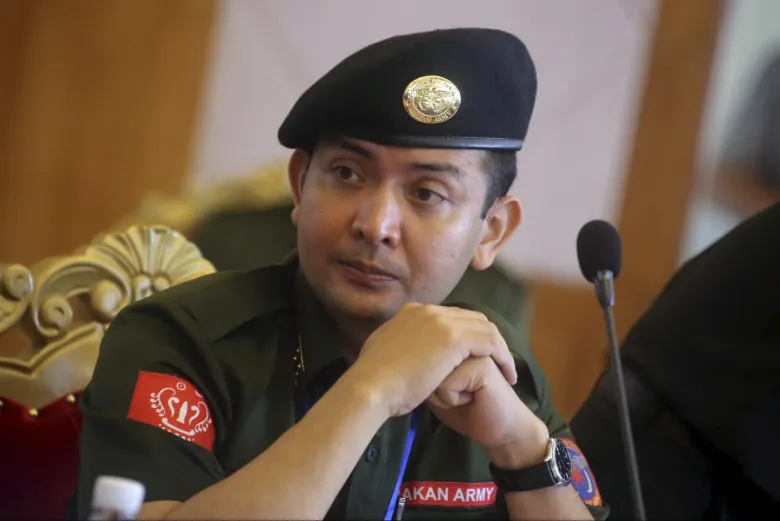
Despite recent remarks by Twan Mrat Naing expressing willingness to cooperate with Bangladesh on issues ranging from the Rohingya crisis to border security, analysts and rights observers caution that such overtures should be treated with skepticism given the group’s track record and unresolved political agenda.
The Arakan Army, founded in 2009 and operating primarily in Rakhine State, has emerged as one of the most powerful non-state armed actors in Myanmar. While it claims to seek autonomy and improved governance for the Rakhine population, critics argue that its long-term objectives remain opaque and, at times, contradictory.
Trust Deficit on Rohingya Repatriation
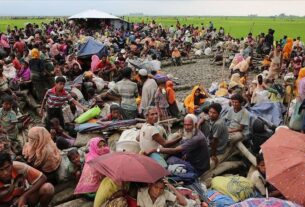
One of the most contentious issues surrounding the group is its stance toward the Rohingya population. Although Naing has spoken of creating a “conducive environment” for repatriation, there is little concrete evidence to suggest that the Arakan Army has either the willingness or capacity to ensure the safe, voluntary, and dignified return of refugees.
Rohingya advocacy groups have repeatedly raised concerns over exclusion, lack of recognition, and security risks in areas under Arakan Army influence. The absence of a clear political commitment to citizenship rights or protection mechanisms continues to undermine confidence in any repatriation framework involving the group.
Allegations of Extortion and Parallel Control
Beyond political ambiguity, the Arakan Army has also faced accusations of running parallel administrative systems that rely on coercive practices. Local sources and regional observers have reported instances of taxation, forced contributions, and extortion targeting civilians and businesses in areas under its control.
Such activities raise questions about the group’s governance model and whether it can be considered a reliable partner for formal economic engagement, including cross-border trade with Bangladesh. Without transparency and accountability, critics warn, any normalization of trade risks legitimizing informal or illicit financial networks.
Security Risks and Regional Implications
Naing’s comments on combating drug trafficking and militancy have also been met with caution. While the group acknowledges the presence of narcotics networks, experts note that non-state armed groups in the region have historically been entangled directly or indirectly in such illicit economies.
Additionally, the Arakan Army’s allegations regarding other Rohingya armed groups and external actors introduce further complexity, potentially escalating tensions rather than fostering stability. Analysts suggest that such claims, without independent verification, may serve strategic narratives rather than reflect actionable solutions.
Need for Clarity Before Engagement
Given Bangladesh’s strategic and humanitarian stakes particularly with over a million Rohingya refugees in camps in Cox’s Bazar any engagement with armed actors across the border carries significant risks.
Policy experts argue that before considering deeper cooperation, Dhaka must seek clear answers regarding the Arakan Army’s political objectives, its stance on minority rights, and its commitment to international norms. Without these assurances, premature engagement could complicate both repatriation efforts and broader regional security dynamics.
As the situation in Rakhine continues to evolve, the gap between rhetoric and reality remains a central concern in assessing the Arakan Army’s role in shaping the future of the Bangladesh-Myanmar border region.