The humanitarian response for Rohingya refugees in Bangladesh has entered a fragile and increasingly challenging phase, marked by declining international funding, worsening camp conditions, rising protection risks, and ongoing instability in Myanmar, the UN Refugee Agency (UNHCR) has warned.
UNHCR stressed that sustained international engagement and financial support remain essential to strengthen Bangladesh’s response, prevent Rohingya refugees and host communities from being abandoned, and ensure refugees can live in safety and dignity until conditions allow for a voluntary, safe, dignified, and sustainable return to Myanmar.
The warning comes as the United Nations and its humanitarian partners unveiled the 2026 update of the Joint Response Plan (JRP) for the Rohingya humanitarian crisis. The hyper-prioritised appeal seeks $710.5 million to support up to 1.56 million people, including Rohingya refugees and Bangladeshi host communities. Despite representing a 26 percent reduction from the 2025 appeal, the plan covers only the minimum resources required to maintain life-saving assistance.
Amid these growing challenges, Finland has announced a EUR 2 million contribution to support humanitarian protection and assistance for Rohingya refugees in Bangladesh. According to UNHCR, the funding will help address critical gaps, particularly in underfunded sectors such as skills development and resilience-building programmes.
UNHCR Representative in Bangladesh Ivo Freijsen described Finland’s increased commitment as a strong demonstration of solidarity during a difficult period for the Rohingya response.
“It reaffirms our collective responsibility to protect Rohingya families and help them thrive, until conditions in Myanmar allow for voluntary, dignified and safe return to their homeland,” he said.
Echoing this message, Mari Ahmed, Chargée d’Affaires of the Finnish Embassy in New Delhi, said Finland stands in solidarity with both Bangladesh and the Rohingya people, nearly a decade into their displacement.
She emphasized that support must go beyond emergency aid and include investments in skills, resilience, and inclusion of the most vulnerable, while ensuring the Rohingya crisis does not fade from global attention.
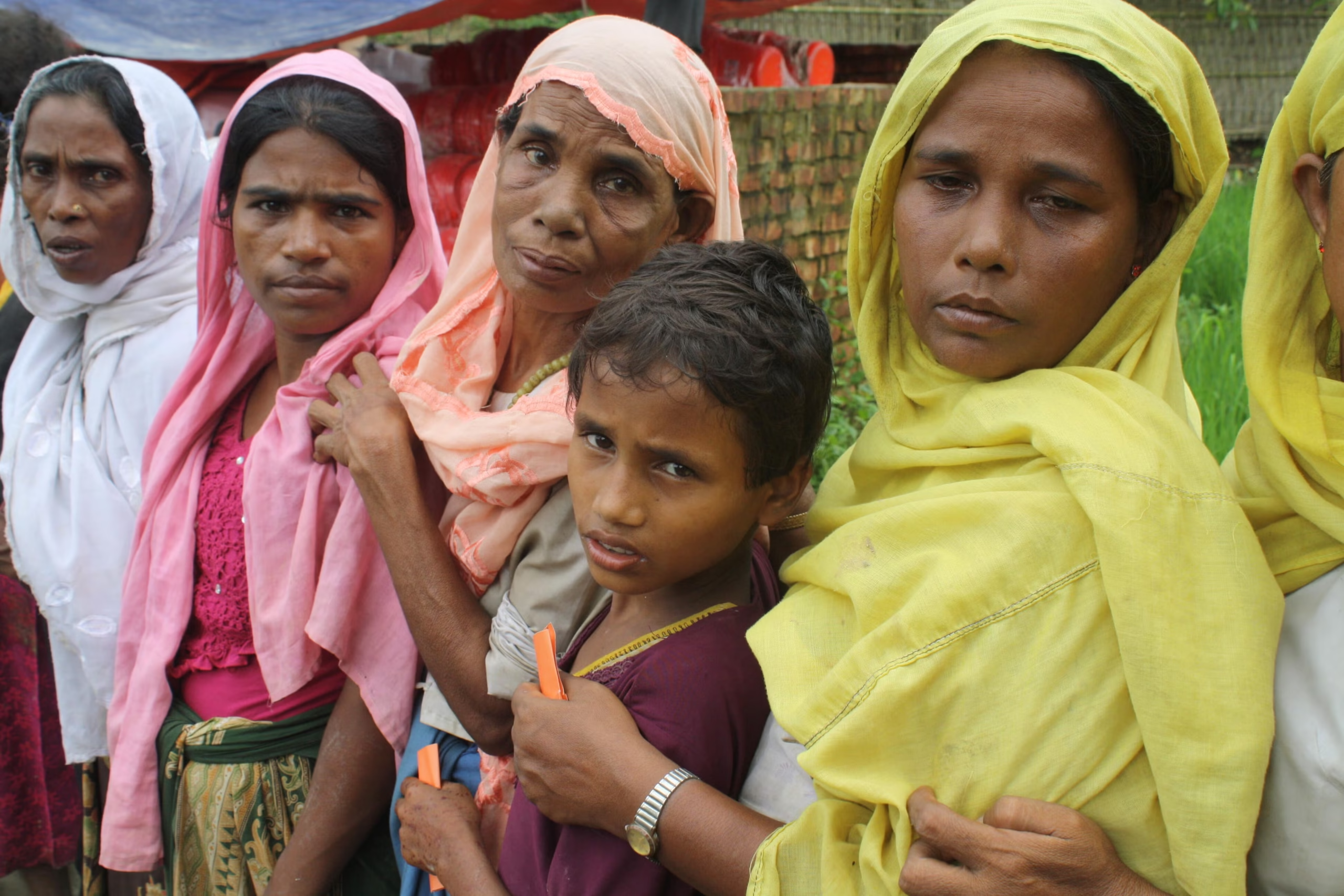
Nearly 1.3 million stateless Rohingya continue to live in Bangladesh after fleeing violence and persecution in Myanmar. With limited livelihood opportunities, most remain heavily dependent on humanitarian assistance. In 2025, only 23 percent of refugee households earned income through cash-for-work programmes — the only permitted formal livelihood activity — while 42 percent relied on unstable temporary income sources and 35 percent had no income at all.
As funding gaps widen, the burden falls most heavily on women and girls, older persons, people with disabilities, and nearly 150,000 new arrivals since early 2024, many of whom remain without shelter due to severe overcrowding in the camps.